
A well-planned city break gives you more time for neighbourhoods, landmarks and local food without turning each day into a race. The key is to remove the small delays that gradually consume your schedule, from carrying bags across town to retracing your route between distant attractions.
You don’t need to account for every minute. A few sensible choices about timing, transport and luggage storage in Melbourne can create enough flexibility for an unexpected market, a longer lunch or one more museum before closing.
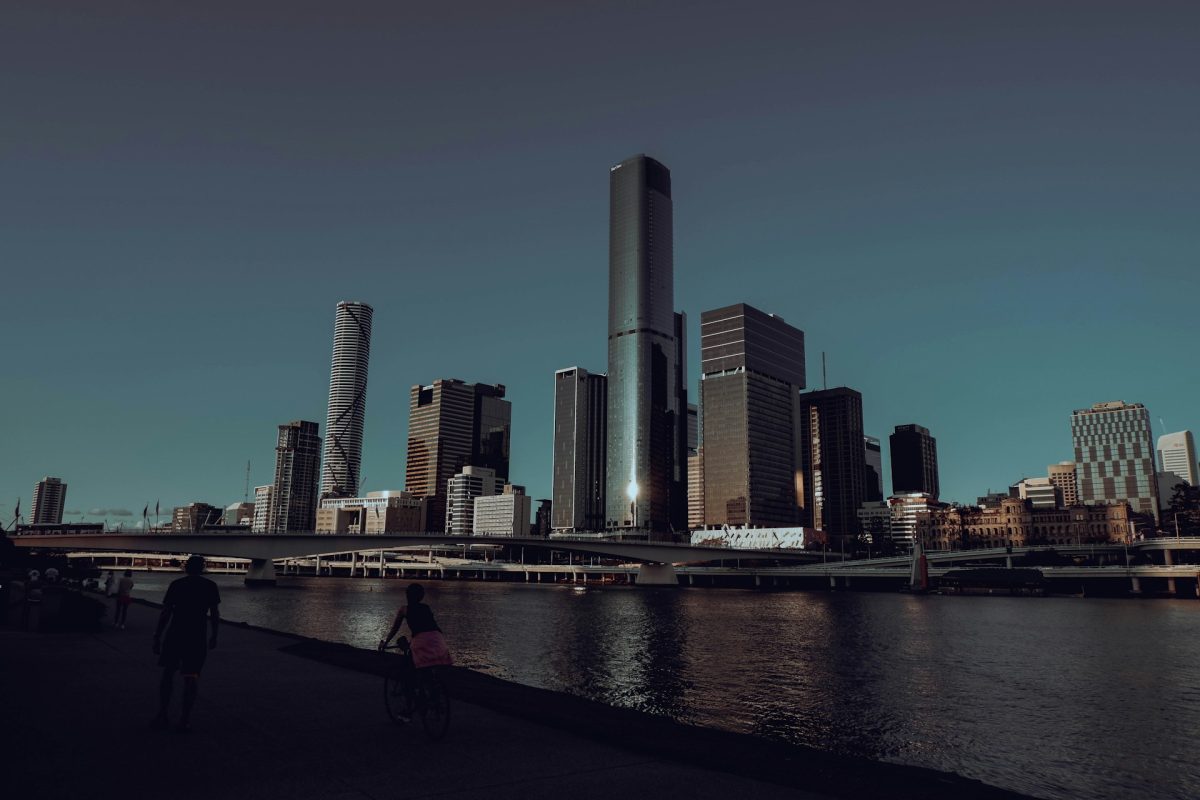
Maximise Your City Sightseeing
Start by grouping places according to location. Pin your main attractions on a digital map, then look for clusters that can fit into the same morning or afternoon. If a cathedral, food market and art gallery sit within a 15-minute walk of one another, visit them together instead of crossing the city several times.
Give each cluster one priority attraction and two optional stops. This keeps the day flexible if queues are longer than expected or a museum deserves more time. Guides to city exploration time often recommend concentrating on a smaller area because frequent transfers can reduce the time available for the places themselves.
Opening hours should guide your route. Visit popular indoor attractions soon after they open, then save parks, public squares and shopping streets for less structured periods. Check the final admission time as well as the closing time, since ticket desks may shut 30 to 60 minutes earlier.
Detailed local guides can also reveal worthwhile stops near your main destination. For example, this overview of sightseeing in Randazzo helps visitors connect historic buildings, streets and cultural sites within one Sicilian town. Apply the same idea elsewhere: learn what lies around each major attraction before setting off, so nearby highlights don’t go unnoticed.
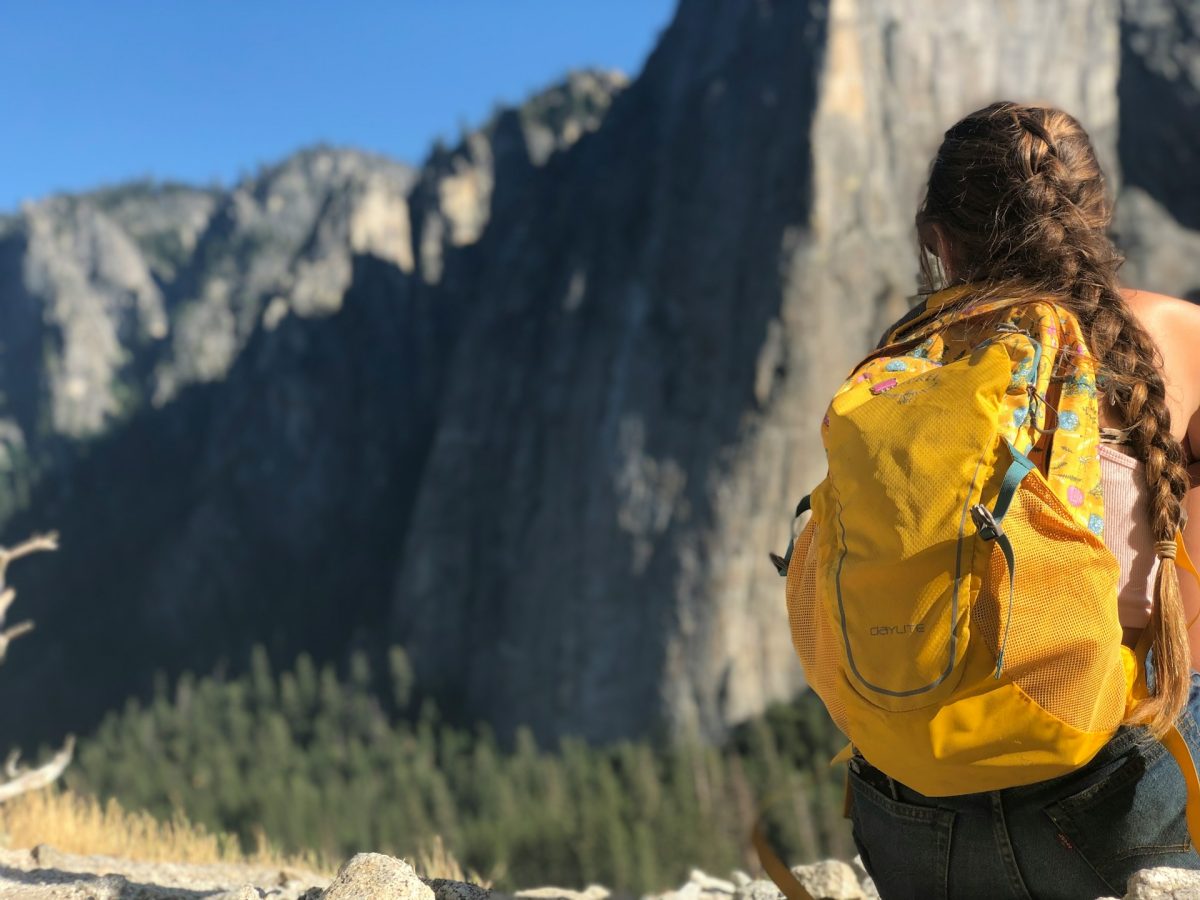
The Burden of Baggage
Luggage can quietly dictate an entire day. A wheeled suitcase may be manageable in a station, yet awkward on cobbled streets, crowded trams and staircases. Even a heavy backpack can make a long walk less enjoyable, particularly in warm weather or when museums require large bags to be checked.
This problem commonly appears on arrival and departure days. A traveller might check out at 10 am but have an evening train, leaving eight useful hours between accommodation and departure. Returning to a hotel on the edge of town could consume an hour or more, especially when the return trip involves a transfer.
Temporary storage offers a practical alternative. In Australia, travellers who need to store luggage in Melbourne city center can book a secure location with a local partner and collect their belongings before leaving the city. This can be useful when accommodation won’t hold bags or is far from the final sightseeing area.
Before booking any storage option, confirm its opening hours, exact address, and collection process. Allow a buffer before your train, coach or flight, too. A location that closes at 6 pm won’t suit a 7 pm collection, while a storage point near your departure station may remove the need for an extra journey across town.
Free Up Your Hands for Adventure
Once the main suitcase is stored, reduce what you carry during the day. A compact cross-body bag or small daypack should hold the essentials without becoming another burden. Pack water, identification, a portable charger, any required medication, and a light layer for changing weather.
Keep valuable items close to your body and divide important resources. For example, store one payment card in your wallet and another in a separate zipped compartment. Save digital copies of travel documents in secure cloud storage, then download key tickets so you can access them without a mobile signal.
A lighter load changes which activities feel realistic. You can climb a bell tower, browse a busy market or take a long riverside walk without constantly searching for somewhere to place a suitcase. It also makes cafés and public transport easier to use, since you won’t need to find space for bulky belongings.
Check venue rules before arriving. Some galleries, religious buildings and stadium tours limit bag dimensions or require visitors to use lockers. A bag that meets common cabin baggage measurements may still be too large for a small museum cloakroom.
Leave non-essential purchases until late in the day where possible. Souvenirs, books and local food can add surprising weight. If you spot something early, ask whether the shop can hold a paid purchase for collection later. Many independent retailers will do so when space allows.
Plan Your Day
Build the day around fixed commitments first. Timed museum tickets, restaurant bookings and transport departures form the basic framework. Fill the spaces between them with nearby activities that don’t require reservations, such as public gardens, independent shops and architectural walks.
Realistic transit estimates matter. A route planner may show 20 minutes on a train, but that figure might exclude the walk to the platform, waiting time, and the final journey from the station. Advice on practical city transit can help independent travellers account for these hidden intervals. Add at least 10 to 15 minutes around urban transfers, with a larger margin during peak periods.
Check the local transport operator before leaving your accommodation. In Melbourne, for example, the official public transport journey planner provides route information and service updates. Most major cities offer a similar official tool, which is usually more dependable for disruption notices than a saved screenshot from several days earlier.
Meal planning deserves some thought as well. You don’t need to reserve every table, but it helps to identify two or three options near the day’s main area. This prevents a hungry half-hour spent comparing menus on the pavement.
Keep one open period of 45 to 90 minutes. Use it when an attraction takes longer than expected or when you find somewhere appealing along the way. If the schedule runs perfectly, that time becomes an opportunity for coffee, people-watching or a spontaneous detour.
Unencumbered
A good final day can be simple: check out, leave your luggage near your last stop and explore one compact neighbourhood before heading to your departure point. This avoids unnecessary backtracking.
Choose activities with flexible durations, such as a self-guided walk, public garden or small exhibition. Set a cut-off time for sightseeing and an alarm to collect your bags.
Wear comfortable shoes, carry water where practical, and take short breaks before fatigue sets in. Most importantly, leave room for spontaneous moments. Good planning should make the day easier, not turn it into another checklist.
On departure day, three points may be enough: your luggage storage, the neighbourhood you want to explore, and your transport hub.
